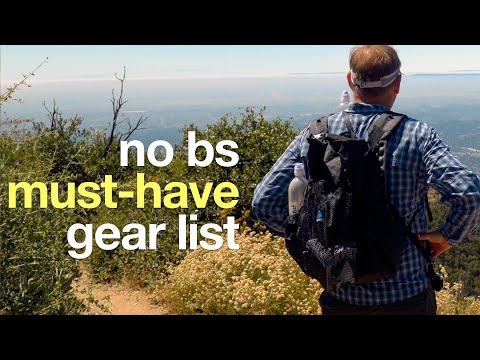
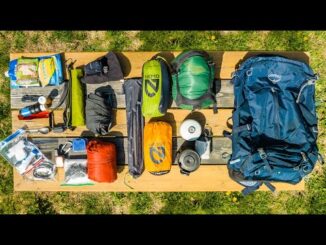
Here’s the hiking gear that I’ve been using on trail – no freebies or sponsorships.
*Gear I’m Using Now:*
* inReach:
* Hiking App:
* Watch:
* Shoes:
* Pack:
* Rescue Insurance:
*Full Hiking Gear List (What I Use Now – Tested & Not Sponsored):*
01:24 Shoes
02:28 Sat Communicator
03:30 Backpacks
04:15 Hydration
05:42 Trekking Poles
06:38 Organization
07:00 Navigation
10:30 Batteries
11:48 Headlamp
12:33 Nutrition
13:23 Clothing
16:25 Protection
19:23 REI Membership
20:14 Rain Gear
21:23 Survival Kit
25:28 Backpacking & More
The “10 essentials” are a widely accepted list of items that every hiker should carry, regardless of the length or difficulty of a trip. They have evolved over time, but the principle remains the same: to ensure that hikers are prepared for unexpected circumstances in the outdoors. Here’s a breakdown of each:
1. **Navigation Tools**: Proper navigation is crucial when you’re in the wilderness. This includes a map and a compass. Even in the age of GPS and smartphone apps, the old-school combination of map and compass is fail-safe and doesn’t rely on batteries. Knowing how to read a topographic map and use a compass is a fundamental outdoor skill.
2. **Sun Protection**: Overexposure to the sun’s ultraviolet rays can result in sunburn, eye damage, and increased risk of skin cancer. It’s essential to have sunglasses, sunscreen, and protective clothing or a hat when hiking. Not only does this prevent sunburn, but it can also reduce glare, improve vision, and protect the sensitive skin around the eyes.
3. **Insulation (Extra Clothing)**: Weather can change rapidly in many hiking locations. An unexpectedly cold front or a sudden downpour can leave you shivering if you’re not prepared. Packing an additional layer or two, like a fleece jacket or rain shell, can be a lifesaver. It’s always better to have and not need than to need and not have.
4. **Illumination**: Sometimes, hikes can take longer than anticipated. If you’re caught out after dark, a good headlamp or flashlight becomes essential. Headlamps, in particular, are popular because they allow for hands-free operation, making it easier to navigate or set up camp.
5. **First-Aid Supplies**: Injuries can happen. From minor scrapes to more severe injuries, having a basic first-aid kit can make a big difference. This should include bandages, antiseptic wipes, blister treatment, pain relievers, and any personal medications.
6. **Fire**: Whether for emergency signaling, warmth, or cooking, the ability to start a fire is crucial. Waterproof matches, lighters, or firestarters are all good choices. Some hikers also pack a compact stove, especially in areas where open fires are prohibited.
7. **Repair Kit and Tools**: Multi-tools or a basic knife can serve various functions, from food preparation to gear repair. Additionally, a small repair kit can help mend a torn backpack or fix broken shoelaces. Duct tape is often cited as a handy repair tool because of its versatility.
8. **Nutrition (Extra Food)**: It’s always wise to pack extra food, even if you’re just out for a day hike. Energy bars, nuts, or dried fruits are lightweight and can provide the necessary calories if you’re stranded or if your hike takes longer than anticipated.
9. **Hydration (Extra Water)**: Dehydration can impair your physical and mental functions. In many environments, you can’t always rely on finding a fresh water source, so always carry extra. It’s also beneficial to understand how to purify water, using tablets, filters, or boiling, in case you run out and need to source more.
10. **Emergency Shelter**: If an unexpected situation arises and you have to spend a night outdoors, an emergency shelter can provide protection from the elements. This might be a lightweight tarp, a bivvy sack, or even a large trash bag. They’re compact, lightweight, and can be a lifesaver in challenging situations.
To conclude, these 10 essentials serve as a foundation for outdoor safety. Tailoring them to fit specific hikes or personal needs is encouraged, but the underlying message remains the same: always be prepared.
Great information, I carry in my survival kit a small sewing kit, sturdy needle and strong nylon thread. It has coming in handy on several occasions.
That watch though $$$$😢 ima stick to my Apple Watch and garmin inreach mini…though if I hadn’t gotten both those I’d probably be able to afford it😅💔
Useful content! thanks for creating and sharing!
Great information, I carry in my survival kit a small sewing kit, sturdy needle and strong nylon thread. It has coming in handy on several occasions.
Great selections. My only quibble is the fire starter. Chemical flares work so much better than anything else it’s not even close. They burn very hot, they always ignite regardless of wind and rain/snow, and they will even get a fire going from damp wood. If you’re actually in a situation that requires a fire, it’s probably super cold and wet and fussing around with tinder and sparks/tiny flame won’t work.